
Managed offices explained: how they differ from coworking
A managed office gives a team its own private, often branded space while an operator handles fit-out and running. Here is how it compares with coworking and a lease.
In this guide
As a team grows past a few dozen people, it often finds that open coworking feels too shared and a conventional lease feels like too much work. A managed office sits between the two. The term is used loosely in India, so it helps to understand what it usually means, how it differs from coworking, and the questions to ask if an operator offers you one.
What a managed office is
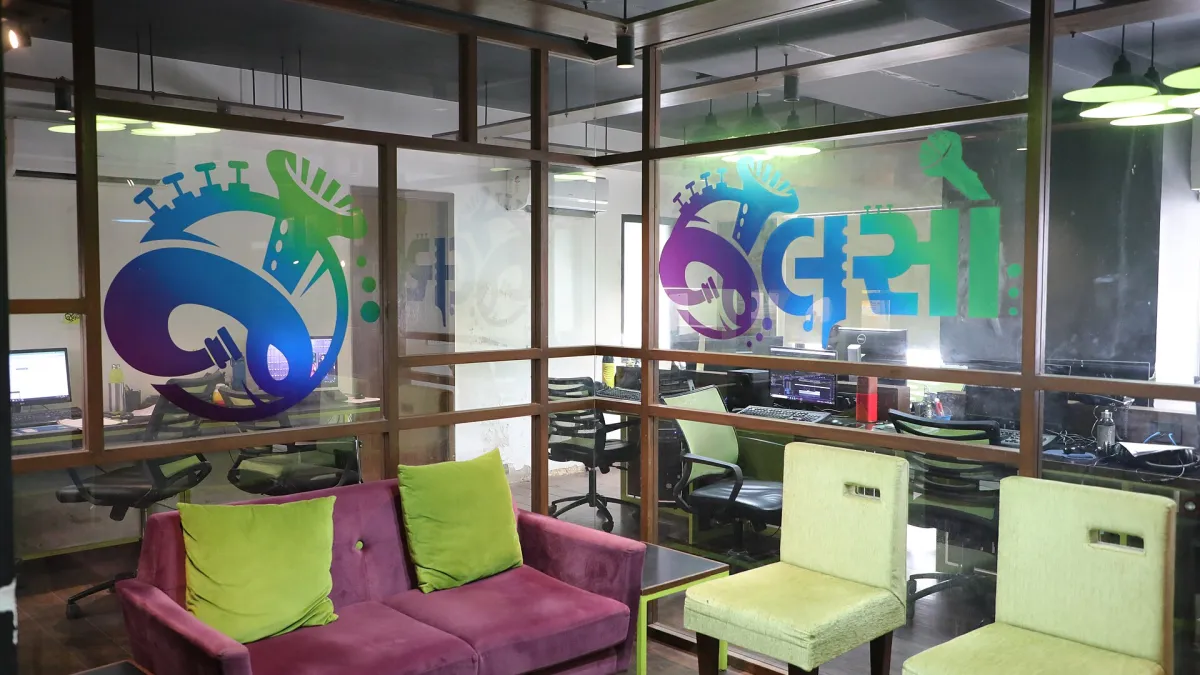
In a managed office, an operator takes a space, designs and fits it out to your requirements, and then runs it for you: housekeeping, maintenance, security, internet, power backup and often reception. Your team gets a private, self-contained office, sometimes with your own branding and entrance. You pay a single monthly fee per seat or for the whole space, rather than separate bills for rent, maintenance and services.
How it compares
| Aspect | Coworking | Managed office | Conventional lease |
|---|---|---|---|
| Space | Shared floor, cabins available | Private, self-contained | Private, self-contained |
| Design control | Little | Moderate to high | Full |
| Branding | Name on door or board | Often your own branding | Full |
| Who handles fit-out | Operator, already built | Operator, to your brief | You |
| Who runs facilities | Operator | Operator | You |
| Typical commitment | Shorter | Longer | Longest |
| Shared amenities | Yes | Sometimes | No |
Why teams choose managed offices
- Privacy and security. Teams handling sensitive data, or clients who audit their premises, often need controlled access to their own space.
- Culture and brand. A dedicated space lets you shape the environment for your people and visitors.
- No project management. The operator handles contractors, approvals and suppliers, which is useful for companies without a facilities team in that city.
- Predictable monthly cost. One invoice instead of many.
- Speed. Often faster than finding, leasing and fitting out a bare space yourself, though slower than walking into ready coworking.
The trade-offs
- Longer lock-in. Because the operator spends money on your fit-out, they need time to recover it. Expect a longer commitment than coworking.
- Less flexibility. Shrinking or growing mid-term may be harder than adding desks in a coworking space.
- Fewer chance encounters. If you value a community of other companies, a self-contained office offers less of it.
- Customisation costs. The more bespoke your requirements, the higher the fee or the longer the lock-in.
Questions to ask an operator
- What is included in the monthly fee, line by line?
- Who owns the fit-out and furniture, and what happens to them at exit?
- What is the lock-in, and is there any right to expand or contract during it?
- What is the escalation on renewal?
- Who is the single point of contact for facility issues, and what are the response times?
- Can we use the address for company and GST registration?
- Will we have independent internet lines and control over our network?
- How is power backup sized, and does it cover AC?
Our agreement checklist applies here too, with extra attention on the fit-out and exit clauses.
Is it right for your team?
A managed office tends to suit teams that:
- Are large enough to fill a defined area and have a reasonably stable headcount plan.
- Need privacy or controlled access for compliance or client reasons.
- Want their own space without running a fit-out project.
If your headcount is still uncertain, a set of private cabins in a coworking building can be a stepping stone. Many teams also combine a managed head office with coworking desks in other cities; our article on hub-and-spoke offices describes that set-up.
What a typical process looks like
- Brief. You share headcount, preferred locations, layout needs (cabins, meeting rooms, collaboration areas, server room), budget range and timeline.
- Options. The operator proposes buildings or floors and a draft layout.
- Commercials. You receive a proposal with the monthly fee, lock-in, deposit, escalation and what is included.
- Agreement. Contracts are signed, often with a fit-out schedule attached.
- Build. The operator fits out the space. Ask for regular progress updates and a site visit before handover.
- Handover and move-in. You check every item against the agreed layout and specification before your team moves in.
Ask for the fit-out timeline in writing, and what happens if it slips. Some teams negotiate a rent-free period or a later start of fees if handover is delayed.
Comparing costs fairly
A managed office fee can look higher than lease rent for the same area, because it includes fit-out, furniture and running costs. Compare it against the full cost of a lease over the same period, as described in our coworking versus renting comparison, rather than against rent alone.
Getting proposals
For multi-seat and managed requirements, the enterprise page on Coworks explains how to share your brief so that operators in your chosen cities can respond. Ask each for a written proposal with the same assumptions, so you are comparing like with like. Visit at least one operating managed office run by each shortlisted operator, and if possible speak to the facility contact there about day-to-day service. How an operator runs an existing client's floor is the best preview of how it will run yours.
Questions people ask
What is the main difference between a managed office and coworking?
In coworking you share common areas and services with other members. In a managed office your team usually has a self-contained space, often customised, while the operator runs facilities for you.
Are managed offices only for large companies?
They are most common for teams large enough to fill a floor or a defined section, but some operators offer managed suites for smaller teams. It depends on the building.
Who pays for fit-out in a managed office?
Usually the operator builds the space and recovers the cost through the monthly fee over the lock-in period. That is why lock-ins tend to be longer than in coworking.