Coworking vs renting an office in India: the full cost picture
Rent is only one line in the cost of an office. This guide lists every cost of a conventional lease and a coworking plan so you compare like with like.
In this guide
Comparing a coworking plan with a conventional office lease by looking at the monthly rent alone gives a misleading answer. A leased office in India comes with a long list of costs that do not appear in the rent figure: deposits, fit-out, furniture, power backup, internet, housekeeping and more. A coworking plan bundles most of those into one fee. This guide lists every cost line so you can build an honest comparison for your own team.
The costs of a conventional lease
When you rent a bare or semi-furnished office, budget for:
- Security deposit, often several months of rent, locked up for the lease term.
- Brokerage if you use a broker to find the property.
- Stamp duty and registration of the lease deed, depending on the state and term.
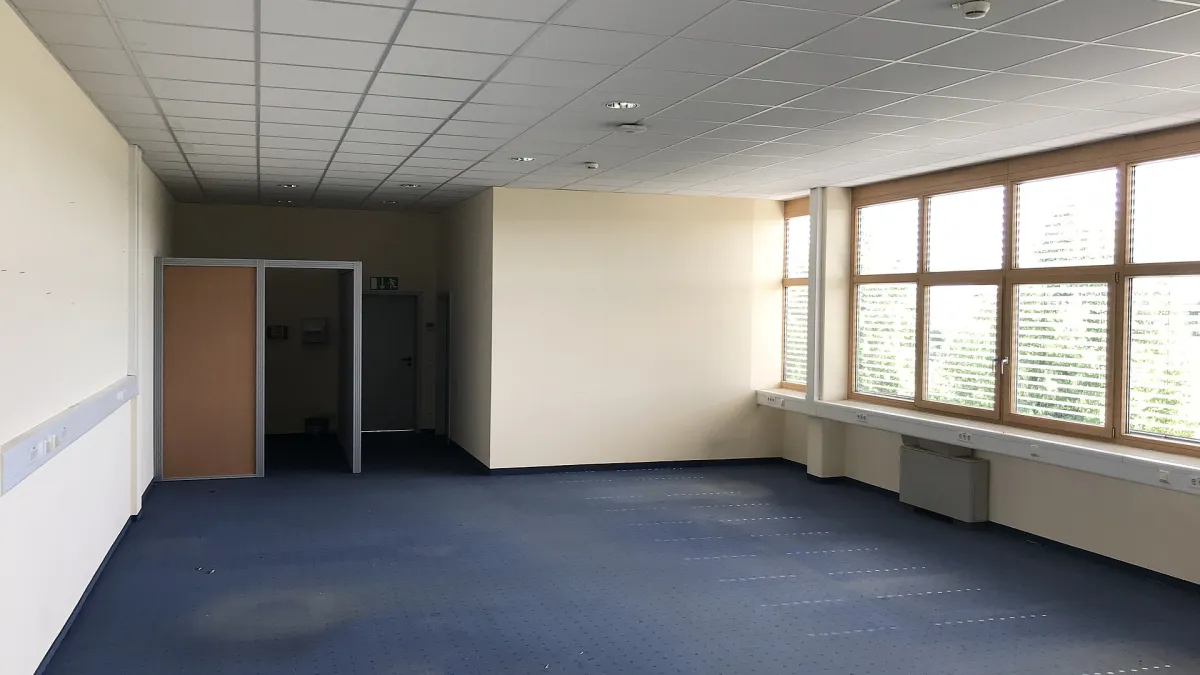
- Fit-out: partitions, flooring, false ceiling, wiring, lighting, AC installation.
- Furniture: desks, chairs, storage, reception and pantry.
- IT set-up: internet lines, router, firewall, printer.
- Power backup: inverter or a share of the building's DG set.
- Monthly running costs: electricity, maintenance charges, internet, housekeeping, security, water, pantry supplies.
- Rent escalation written into the lease, usually yearly.
- Restoration when you leave, if the lease requires returning the space to its original state.
The costs of a coworking plan
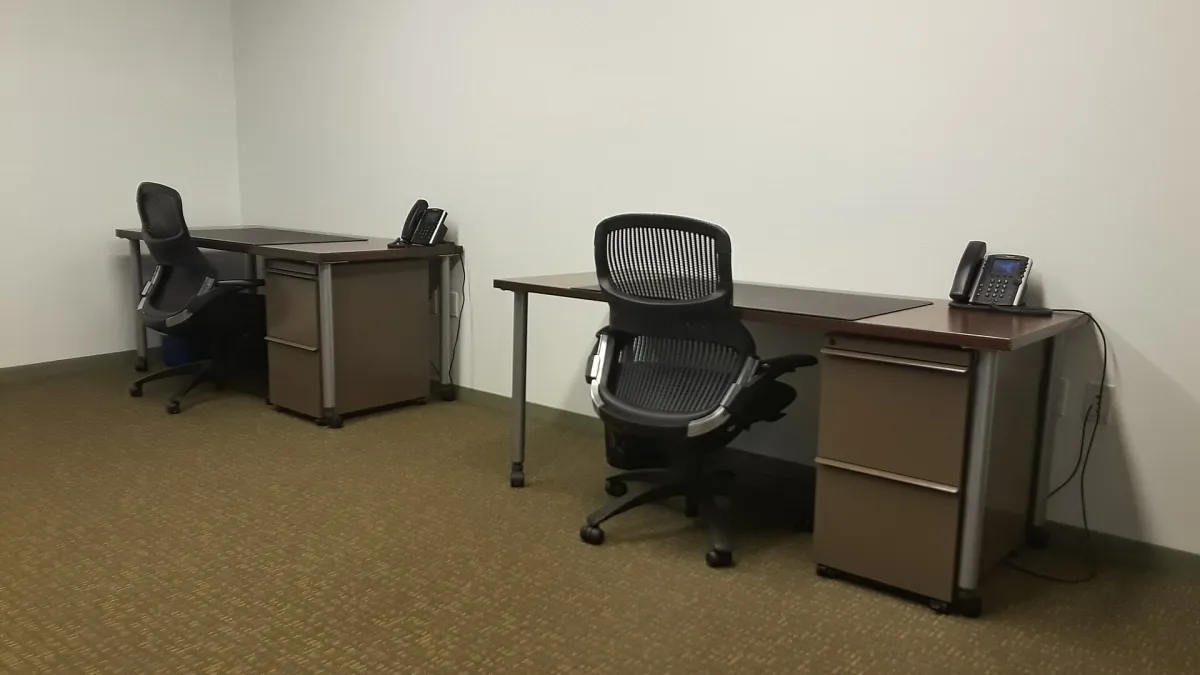
- Monthly seat or cabin fee, covering furniture, internet, power, AC, housekeeping and common areas.
- Security deposit, usually smaller than a lease deposit.
- Add-ons: extra meeting room hours, printing, parking, lockers, dedicated internet lines.
- GST on the fee.
- Price revision on renewal.
Building a fair comparison
Put both options in a table over the same period, say two or three years, and include one-time costs spread across that period.
| Cost line | Leased office | Coworking |
|---|---|---|
| Deposit (money locked up) | Higher | Lower |
| Fit-out and furniture | You pay upfront | Included |
| Internet and power backup | You arrange and pay | Included, check quality |
| Housekeeping and security | You hire or contract | Included |
| Meeting and training rooms | Must fit inside your area | Shared, booked as needed |
| Flexibility to grow or shrink | Low during lock-in | Higher, subject to availability |
| Control over layout and branding | High | Limited |
Fill in your own numbers from real quotes. Avoid guessing; ask two or three landlords and two or three coworking operators for written figures. On Coworks you can shortlist up to four spaces and use compare to line them up.
A worked way to fill in the numbers
Here is a simple method that works without any industry averages. Take your expected headcount for the next twenty-four months. For the lease, add the total rent for that period, every one-time cost (brokerage, stamp duty, fit-out, furniture, IT set-up, power backup), and twenty-four months of running costs from real quotes. Separately note the deposit as cash you will not be able to use. For coworking, multiply the monthly seat or cabin quote by twenty-four, add a realistic estimate of add-ons such as extra meeting room hours and parking, and again note the deposit separately.
Now divide each total by the number of person-months you expect to use. That gives you a cost per person per month that already includes fit-out and running costs. Do the calculation twice: once assuming your headcount plan goes well, and once assuming it is slower than planned. Coworking often looks better in the second case because you can reduce seats; a lease usually looks better when the headcount is stable and large.
Time is also a cost
A leased office can take weeks or months to negotiate, register, fit out and furnish. During that time someone on your team is managing contractors instead of the business. A coworking space can usually be occupied within days. For a young company, those weeks matter.
Do not forget management attention
In a leased office, someone has to deal with the AC technician, the internet provider, the housekeeping agency and the building society. In a coworking space, the operator does this. For a small team without an office manager, this saved time is real, even though it never shows up in a spreadsheet.
When a lease makes more sense
- Your team is large and stable, and you expect to stay several years.
- You need a specific layout, lab, server room or heavy equipment.
- Brand experience in your own space matters to clients.
- You have the cash to fund deposits and fit-out without strain.
When coworking makes more sense
- Your headcount could change significantly within a year.
- You want to keep cash for hiring and product rather than deposits.
- You need meeting rooms and event space only occasionally.
- You want to test a new city before committing.
There is also a middle route. A managed office gives you a dedicated, branded floor run by an operator, and many teams of a few dozen people use private offices inside coworking buildings.
Read the fine print either way
Both routes come with lock-ins, notice periods and deposit refund terms. Our guide to deposits and lock-ins explains what is reasonable in coworking, and the agreement checklist lists clauses to read before signing. For larger requirements, the enterprise page explains how Coworks helps teams compare multi-seat options across cities.
Questions people ask
Is coworking always cheaper than renting an office?
Not always. For small teams and short horizons it often is once you count fit-out, deposits and running costs, but a large, stable team with a long horizon may find a lease cheaper per seat.
What deposit is usual for a leased office in India?
Deposits on commercial leases vary widely by city and landlord, and are often several months of rent. Get the exact terms in writing and compare them against the coworking deposit.
Do I pay GST on office rent?
GST generally applies to commercial rent and coworking fees charged by registered suppliers. If you are GST-registered you may be able to claim input tax credit; check with your accountant.